
Thanksgiving always makes me pause and take stock of what truly matters. Yes, life can be chaotic, unpredictable, and occasionally feel like an endurance sport, but the core things that count? My health, my family’s health, and the ability to keep moving forward. Those are gifts I never take for granted.
And since much of my life revolves around diabetes, living with it, teaching it, researching it. I decided this Thanksgiving would be a perfect time to honor some of the people who make life with diabetes better for the rest of us.
When most people think about the giants of diabetes history, the usual Mount Rushmore comes to mind: Banting and Best (insulin’s famous co-stars), Elliott Joslin, maybe Frederick Allen. These are the household names.
But diabetes didn’t advance because of just four men on a metaphorical cliff face. It advanced because of hundreds of thousands of individuals who worked quietly, persistently, and often without recognition.
So this year, I’d like to introduce a second mountain:
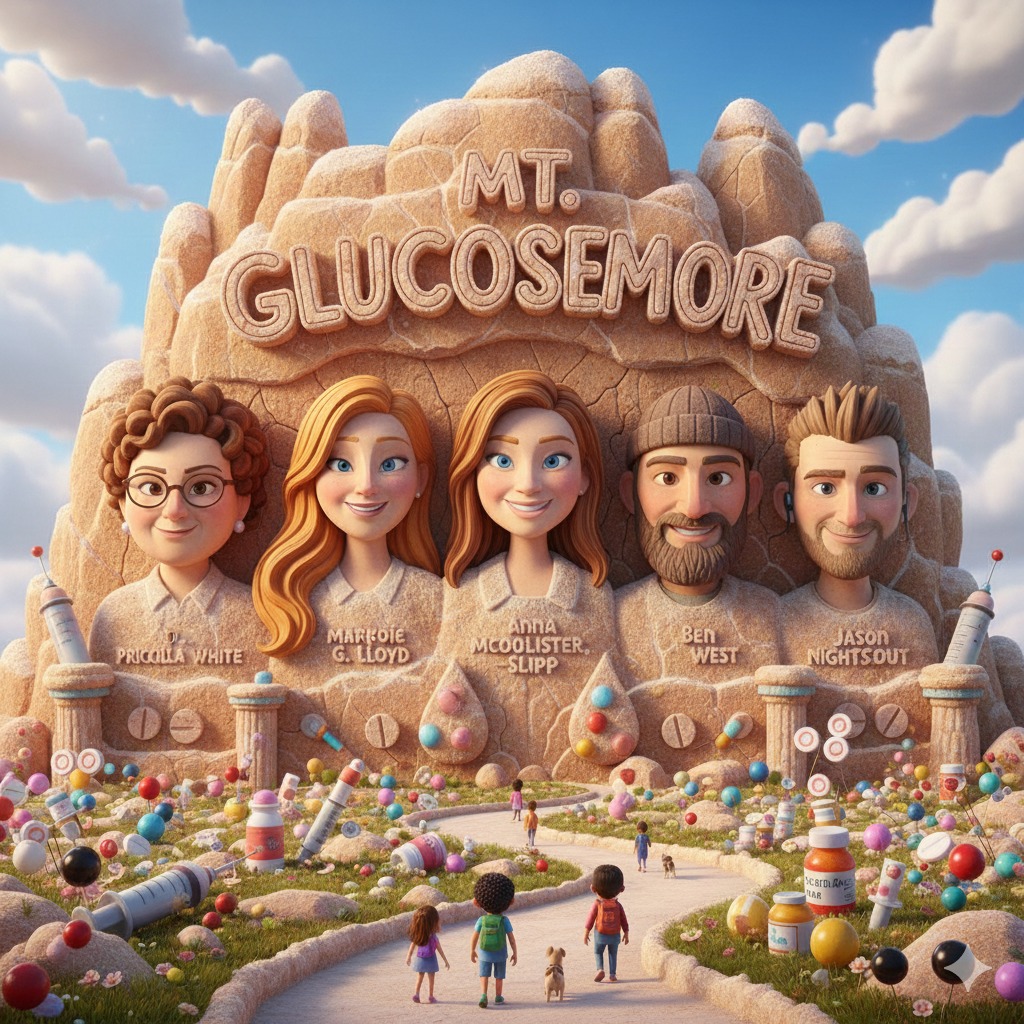
Introducing Mount Glucosemore!
Proud neighbor of Mount Rushmore, featuring better snacks, no steep fasting instructions, and significantly fewer starvation diets.
These are four lesser-known figures whose work quietly reshaped diabetes care—and who deserve their own granite tribute this Thanksgiving.
Dr. Priscilla White — The Physician Who Changed Pregnancy for Women With Diabetes
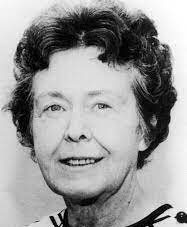
In the early 20th century, women with diabetes were often told not to get pregnant. Dr. Priscilla White refused to accept that. She pioneered structured insulin therapy for pregnancy and developed the White Classification, still used today.
And yes—her work absolutely helped shape today’s management of gestational diabetes, long before it had a name.
She didn’t just change medicine. She changed family trees.
Dr. Samuel Rahbar — The Scientist Behind the A1C Revolution
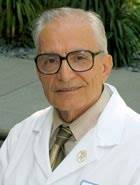
In 1968, Rahbar spotted a “weird hemoglobin band” in the lab and decided to investigate rather than toss the sample aside.
That curiosity led to the discovery of hemoglobin A1C—now one of the most important tools in diabetes care worldwide.
Every clinic visit that includes an A1C?
That traces back to Rahbar noticing something odd and choosing to dig deeper.
Marjorie G. Lloyd & the Early Diabetes Nurses — The Quiet Architects of Education

Before CGMs, apps, or education programs, early diabetes nurses taught patients how to survive and thrive with insulin: boiling syringes, sharpening needles, testing urine, planning meals, and spotting patterns long before “pattern management” was a concept.
Women like Marjorie G. Lloyd (No pic for Ms. Lioyd, she’s a wily one) at the Joslin Clinic instructed patients on how to boil glass syringes, sharpen needles, test urine with tablets, time their meals, adjust insulin, and stay safe. They interpreted food logs, spotted patterns, offered encouragement, and often provided more practical guidance than medical textbooks. Their work is the foundation for today’s diabetes education profession.
They weren’t in textbooks—they were the textbooks.
Anna McCollister-Slipp — The Advocate Who Fought for Your Data
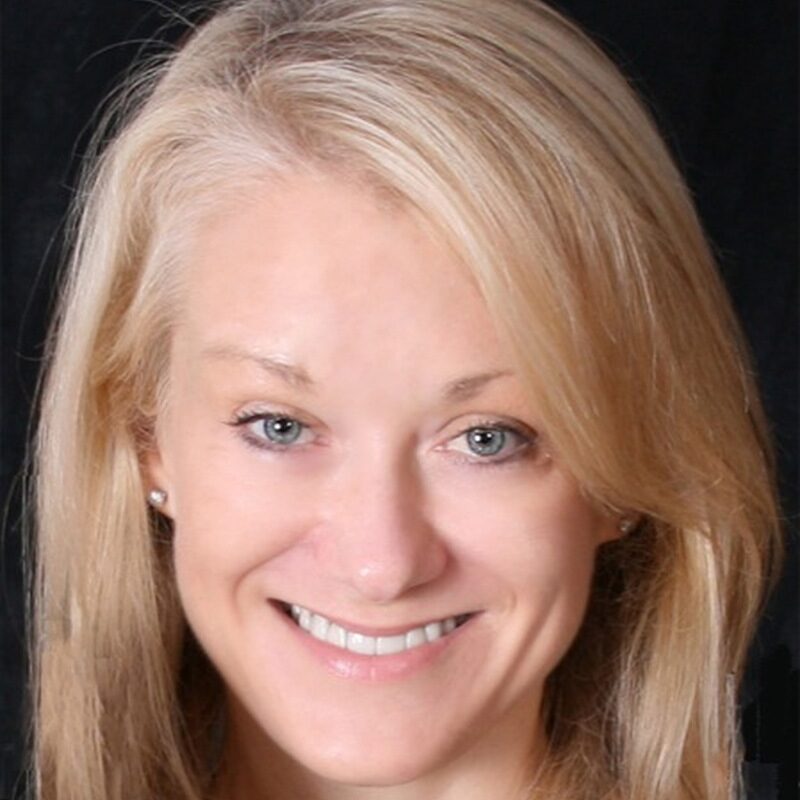
Before device interoperability, before easy data downloads, before cloud syncing—your diabetes device data was basically locked in a vault.
Anna McCollister-Slipp helped blow those doors open.
She pushed for transparency, open data, and patient access, and co-founded the DiabetesMine Innovation Summit to put patients, engineers, the FDA, and industry in the same room.
Every time you export CGM data or share a report with a doctor, you’re benefiting from the movement she helped lead.
The Nightscout Founders — Parents Who Hacked the Future
In the early 2010s, CGMs didn’t allow remote monitoring.
Parents had kids with type 1 and no way to see their glucose at school, overnight, or during sports.
A few determined parents and engineers, including Ben West and Jason Calabrese, refused to wait (Trendsetters in diabetes management, but no pics of them together.) They created Nightscout, an open-source tool that streamed CGM data anywhere.
What began as “we need to see our kids’ numbers” turned into a global movement: #WeAreNotWaiting.
They didn’t just build a hack.
They built hope—and pressured companies to accelerate remote monitoring features that are now standard.
A Thanksgiving Thank You
So this Thanksgiving, I’m grateful not just for my own health, or for my family, or for the daily miracle that is modern diabetes care—but also for the people whose names aren’t carved into our history books but whose work shapes our lives every day.
The faces of “Mount Glucosemore” remind us that progress is often made by people working behind the scenes—curious, determined, sometimes stubborn, always committed.
To all the unsung heroes of diabetes care:
Thank you.