
How many times did your parents tell you ‘You’ll never get a second chance to make a first impression.’
The number is likely higher than when my pod failed last week.
And it’s probably on par with the number of times I’ve told my own daughter that as she rolls out of bed and walks out to the bus stop wearing the same clothes she slept in.
We grow up hearing that first impressions matter. Whether it’s an interview, a meeting, a social media post, or even just walking into a room, we want people to think we have it all together.
The truth is, most of us really don’t.
I’m sooo guilty of that..
Take this blog for example. I’d love for you to think I’m some type of diabetes expert, and that I’ve got this blog thing figured out. A dedicated blogger who plans stories out weeks in advance and posts diligently once a week.
Sometimes that’s true.
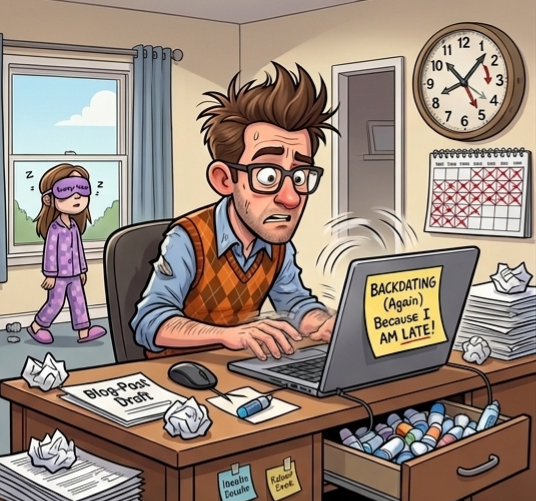
But other times (like this one) I’m pulling a story together by the skin of my teeth and backdating it because I’m a week behind…
And with that realization comes a feeling that I’m not worthy of being thought of as a standout.
It’s amazing how quickly we can convince ourselves that falling short of our own expectations somehow means we’re losing.
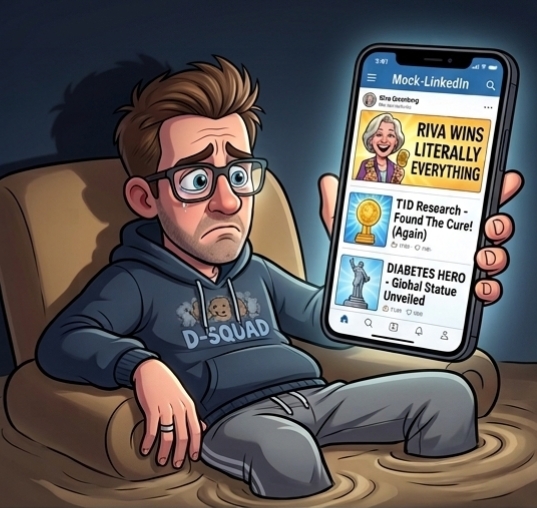
Every day, I scroll through LinkedIn posts of all of the exploits of individuals in the diabetes world achieving accomplishment after accomplishment in advocacy, research, education, and industry (something I like to refer to as Diabetes Doom Scrolling), and wonder all the time, Why can’t I be more like that?
Maybe that’s why I reacted the way I did when an opportunity came along to tell my own story honestly.
A few weeks ago, Riva Greenberg reached out to me on behalf of T1D to 100, a community-focused platform for people aging with Type 1 diabetes. Like many of us who have “aged out” of juvenile-focused organizations, the platform focuses on the unique challenges that come with living longer with diabetes. Riva explained they were interviewing individuals who had lived with diabetes most of their lives to highlight their perspectives.
I was so excited.
My whole reason for writing this blog is to bring a sense of community to others with diabetes. I really do want to help people. I want to be a good role model for my son and for others living with diabetes. I’ve always hoped that my writing would provide something that could help others, and this article would be an extension of that.
And I was excited not just about the interview, but also about meeting Riva. She is a huge voice in the diabetes community, particularly in the type 1 diabetes space. She is an author, speaker, health coach, and patient advocate, and has lived with type 1 diabetes for more than 50 years. Most of her work focuses on helping people not just manage diabetes medically, but also live well emotionally and psychologically with the condition, which, in my opinion and that of many others, is sometimes even harder than the diabetes management.
We had our interview. and about a week later, she sent me the first draft.
And honestly?
I hated it at first.
Not because of her efforts, she was great. She captured the interview exactly the way it played out. But I read through it and thought to myself, ‘This is the best foot forward I could give?, This isn’t very impressive. I don’t sound important. Look at all the things in my life that aren’t going well.’
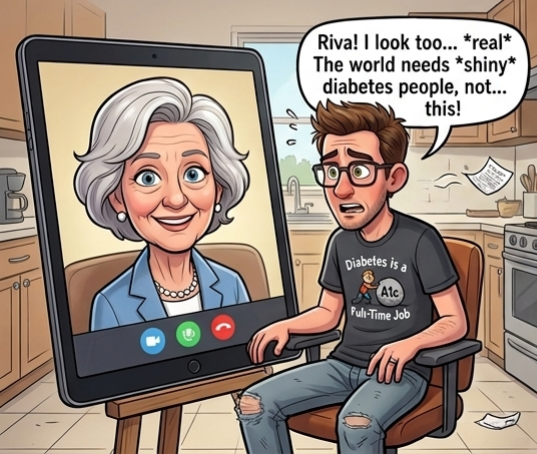
My first impulse was to rewrite everything. I started adding things I wished I had said. Making myself sound more polished. More successful. More inspiring.
Basically, I started trying to sound like the version of myself I thought people wanted to read about. The same kinds of people I compare myself to on LinkedIn every day.
I even asked her if we could redo the interview.
A true journalist, Riva gently pushed back and asked why I felt it needed a do-over.
I admitted that I was uncomfortable showing parts of my life that felt messy or unfinished. I told her I didn’t know why anyone would want to read about someone who didn’t seem to have everything figured out.
She paused and said something that stuck with me.
She told me that several interviews she had already done were so polished and perfect that editors felt they didn’t connect with readers. People weren’t being real.
And the more I thought about it, the more that made sense.
Maybe people don’t need another story about someone who has everything under control. Maybe they need to hear from someone who’s trying their best while still struggling sometimes.
Someone who feels insecure.
Someone who compares themselves to others.
Someone who falls behind.
Someone who still keeps going anyway.
Because honestly, that’s what life with diabetes often looks like.
Not perfection. Not polished.
Just persistence.
The funny thing is, the more times I read the interview, the more I actually liked it. Not because it made me sound impressive. But because it sounded unpolished, imperfect, honest.
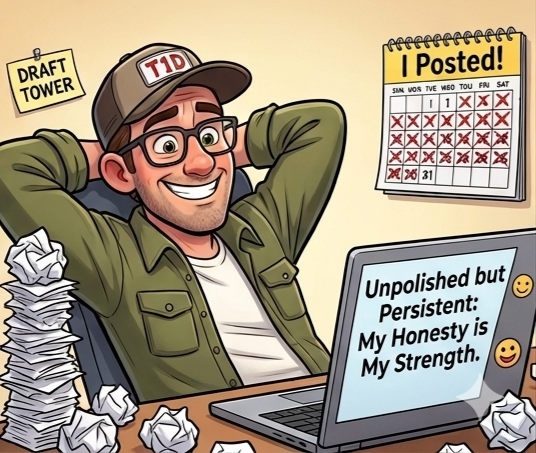
And maybe honesty helps people more than perfection ever could.
So we agreed on a few minor tweaks and went through the final stages before posting. She asked me one more time if I was happy with the story. And, in thinking about it in a new way, I told her I was.
I really was.
You can read it here. You can support their site by leaving a comment to the story, or any others on the site.
Maybe being your best self doesn’t mean presenting a perfect version of yourself.
Maybe it just means being honest about who you are.
If you want to know more about Riva (and you really should), you can check out her website, Diabetes Stories.